The cycle of dependence is a repeating pattern where substance use or addictive behavior reinforces itself, making it harder to stop over time. Understanding how this cycle works is the first step toward breaking it.
Millions of people get trapped in this loop without fully understanding why. The brain, emotions, and environment all play a role. Modern recovery science now offers clearer insight into each stage and what interrupts the pattern most effectively.
Key Takeaways
- The cycle of dependence involves four core stages: trigger, craving, use, and consequence.
- According to the National Institute on Drug Abuse, roughly 40 to 60 percent of people in recovery experience relapse, highlighting how deeply the cycle is reinforced.
- Neurological changes in the brain's reward system make the cycle self-sustaining without targeted intervention.
- Behavioral therapies combined with medication-assisted treatment show the strongest outcomes for breaking the cycle.
- Early identification of personal triggers significantly reduces the risk of relapse.
What Is the Cycle of Dependence?
The cycle of dependence describes a predictable loop that drives repeated substance use or compulsive behavior. It is not a character flaw. It is a neurological and psychological process shaped by biology, environment, and learned behavior patterns.
Each time the cycle completes, the brain reinforces the behavior as a survival response. This makes the habit stronger and the exit points narrower without professional support or structured intervention.
The Four Core Stages
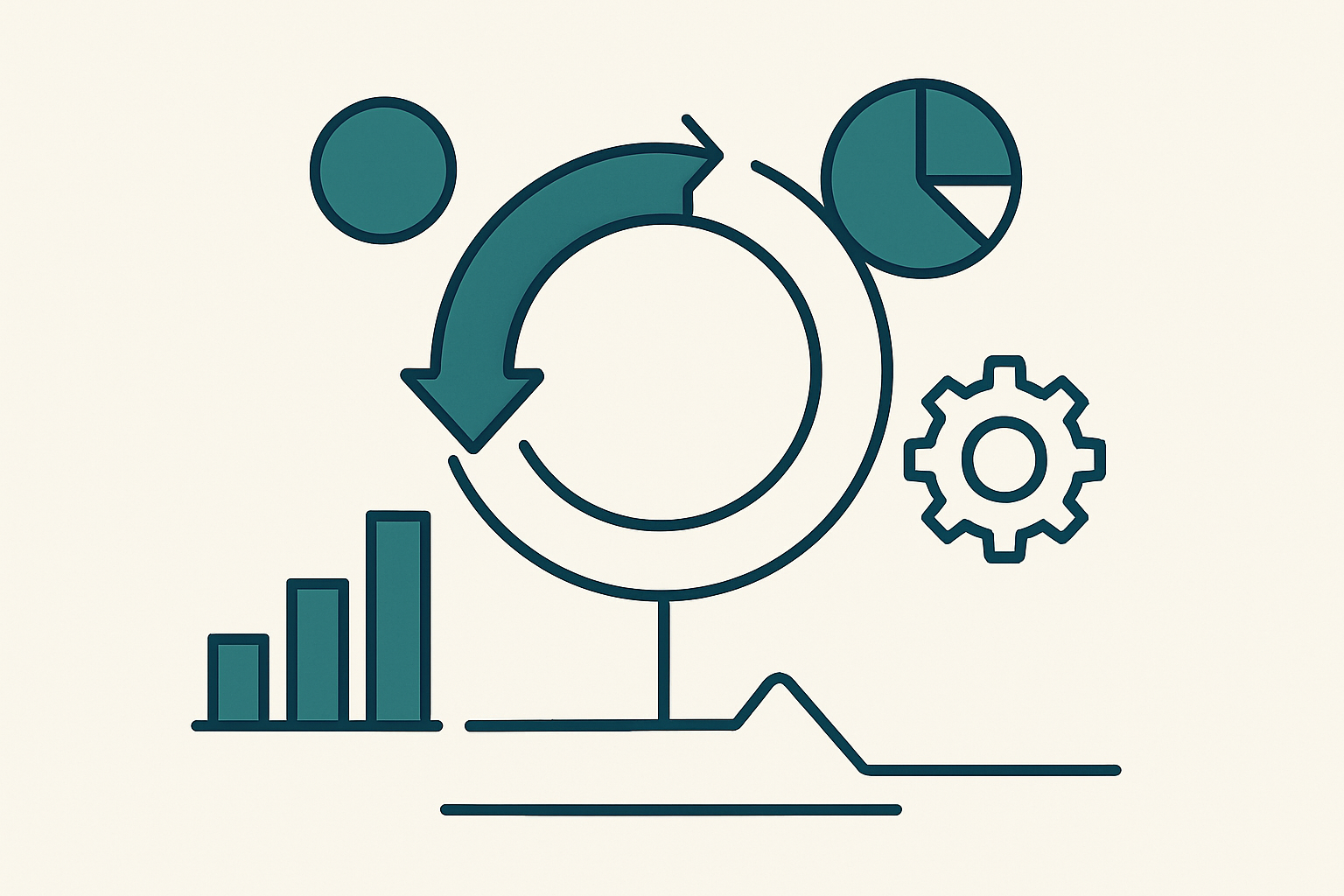
The cycle typically moves through four stages. First, a trigger appears, whether emotional, environmental, or social. Second, the brain generates an intense craving as a learned response to that trigger.
Third, the person uses a substance or engages in the behavior to relieve that craving. Fourth, consequences follow, including guilt, withdrawal, or shame, which then become new triggers. The loop restarts from there.
How the Brain Sustains the Dependence Cycle
Repeated substance use alters dopamine pathways in the brain's reward system. Over time, the brain stops producing normal levels of dopamine without the substance. Everyday activities feel flat or unrewarding as a result.
This neurological shift is what makes the cycle so persistent. The brain begins to treat the substance as necessary for basic functioning. Quitting then feels physically and emotionally unbearable, not just a matter of willpower.
The Role of Stress and Emotional Triggers
Stress is one of the most common triggers that sustains the dependence cycle. When the brain learns that a substance reduces stress quickly, it prioritizes that solution above healthier alternatives. The shortcut becomes the default.
Emotional dysregulation, trauma history, and anxiety disorders all increase trigger sensitivity. People with untreated mental health conditions face a significantly higher risk of cycling through dependence repeatedly without dual-diagnosis treatment addressing both issues simultaneously.
Social and Environmental Factors That Reinforce the Cycle
The environment plays a major role in keeping the cycle active. People, places, and routines associated with past substance use become powerful conditioned triggers. Even a familiar smell or song can activate cravings instantly.
Social isolation, lack of stable housing, and limited access to healthcare all increase relapse risk. According to SAMHSA, social support is one of the strongest protective factors in long-term recovery, reducing the frequency and severity of relapse episodes.
Generational and Cultural Patterns
Dependence cycles often run through families. Genetic predisposition accounts for roughly 40 to 60 percent of addiction risk, according to research from the National Institute on Drug Abuse. But learned behaviors and household environments add additional layers.
Children raised in homes with active substance use often normalize the cycle early. Without intervention, they are more likely to replicate the same patterns in adulthood, not by choice but by deeply ingrained behavioral conditioning.
Modern Approaches to Breaking the Cycle of Dependence
Breaking the cycle requires more than willpower or abstinence alone. Effective treatment targets the neurological, psychological, and environmental factors simultaneously. A single-axis approach rarely produces lasting results.
Cognitive behavioral therapy helps individuals identify and reframe the thought patterns that lead from trigger to use. Medication-assisted treatment reduces the physiological drive to use, creating a window where behavioral change becomes possible.
Data-Driven and Personalized Recovery Plans
One-size-fits-all treatment models have consistently underperformed in long-term studies. Personalized recovery plans built around individual trigger profiles, co-occurring conditions, and lifestyle factors show measurably better outcomes. Technology now makes this level of personalization scalable.
Digital health tools, wearable monitoring devices, and AI-assisted care coordination are helping clinicians intervene earlier in the cycle. These innovations catch warning signs before a full relapse occurs, allowing faster and more targeted support.
Mindfulness and Neurological Rewiring
Mindfulness-based relapse prevention has strong clinical evidence behind it. It teaches individuals to observe cravings without immediately acting on them, creating a pause between trigger and response. That pause is where recovery happens.
Regular mindfulness practice physically reshapes neural pathways over time. The brain begins building new associations with triggers, reducing their intensity and increasing a person's capacity to choose a different response rather than defaulting to use.
Frequently Asked Questions
How long does the cycle of dependence take to develop?
The timeline varies by substance, frequency of use, and individual biology. Some people develop a full dependence cycle within weeks, especially with highly addictive substances like opioids or methamphetamine. Alcohol dependence may take months or years. Genetic factors, mental health history, and stress levels all influence how quickly the cycle becomes entrenched.
Can someone break the cycle of dependence without professional help?
Some people do reduce or stop use independently, but sustained recovery from clinical dependence is significantly harder without professional support. The neurological changes involved often require structured intervention. Therapy, peer support, and sometimes medication provide the scaffolding that makes long-term change achievable and maintainable over time.
Is relapse a sign that treatment has failed?
Relapse is common and does not mean treatment has failed. It signals that the current approach may need adjustment. The National Institute on Drug Abuse compares addiction relapse rates to those of chronic conditions like hypertension and diabetes. Treatment should be adapted, not abandoned, when a relapse occurs.
What is the difference between dependence and addiction?
Dependence refers to the body's physical adaptation to a substance, including tolerance and withdrawal. Addiction involves compulsive use despite negative consequences. A person can be physically dependent, such as with prescribed opioids, without meeting the clinical criteria for addiction. Both conditions benefit from professional evaluation and tailored care plans.
Bottom Line
The cycle of dependence is a neurologically driven loop that grows stronger without targeted intervention, but it can be broken with the right combination of treatment, support, and personalized strategy.
For individuals, clinicians, and organizations looking to understand modern recovery approaches more deeply, rehabitlabs.com offers evidence-informed insights on treatment optimization and behavioral health solutions designed to improve real outcomes.
References
- National Institute on Drug Abuse. (2020). Drugs, brains, and behavior: The science of addiction. https://nida.nih.gov/publications/drugs-brains-behavior-science-addiction
- Substance Abuse and Mental Health Services Administration. (2023). Recovery and recovery support. https://www.samhsa.gov/find-help/recovery
- Koob, G. F., and Volkow, N. D. (2016). Neurobiology of addiction: A neurocircuitry analysis. The Lancet Psychiatry, 3(8), 760-773.
- Marlatt, G. A., and Donovan, D. M. (2005). Relapse prevention: Maintenance strategies in the treatment of addictive behaviors (2nd ed.). Guilford Press.
- Sinha, R. (2008). Chronic stress, drug use, and vulnerability to addiction. Annals of the New York Academy of Sciences, 1141, 105-130.